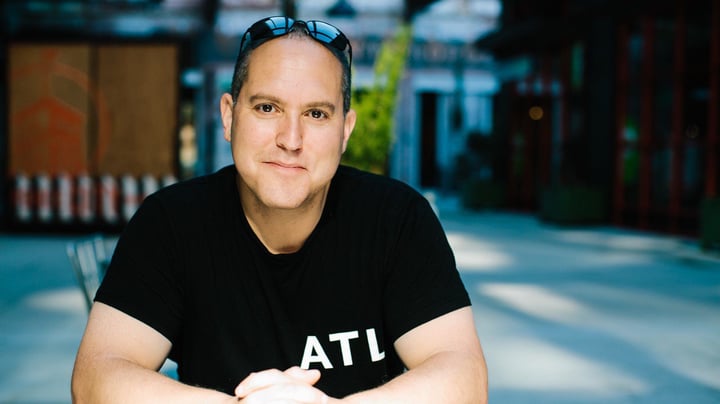
I spent time at the 2026 U.S. Beverage Forum with ~1,300 founders, operators, investors, and retailers. There’s a ton of opportunity in the category right now. A few things came through loud and clear from the data shared at the show and conversations.
What’s Changing in Beverage Right Now
GLP-1 is already reshaping behavior.
Roughly 15% of the U.S. population is now on GLP-1 medications, per Circana. That’s a meaningful portion of your consumer base making fundamentally different choices. Consumption patterns shift, and what people want from a beverage looks different.
You’re already seeing it show up in product: more nutrient-dense, higher-protein options popping up in places that had nothing to do with that conversation two years ago. The brands that moved early are already scaling. Others are trying to catch up.
Protein has evolved from trend to platform.
What’s interesting isn’t just that protein is growing, it’s who is driving it. You have at least four distinct consumer groups:
- Active lifestyle consumers
- Performance-driven fitness buyers
- Women focused on muscle maintenance and hormonal health
- Aging consumers thinking about longevity
Same ingredient, completely different motivations.
Most brands are still telling one story. The reality is that this is four different plays across product, messaging, and channel.
Non-alc keeps winning.
Nonalcoholic is still growing (~6% YoY per Circana), while traditional alcohol pulls back. At the same time, premium and super-premium are gaining share across both sides.
The middle is getting squeezed. Fast.
The Root Cause of Go-to-Market Failures
Here’s the pattern I see all the time:
A brand identifies a real opportunity. They move quickly on product (which is the right move). The product works.
Then they hand it to a commercial team that wasn’t built for this version of the business.
First sales cycle underdelivers. Everyone blames distribution, pricing, timing.
But the issue usually started earlier with who was driving the strategy and whether they’d actually done it before.
By the time that becomes obvious, you’ve burned a year.
Capturing the Opportunity Isn’t a Job for One Person Anymore
Take protein as an example.
Selling into a specialty fitness channel is very different than winning in mass, or telling a credible women’s health story in natural. Different buyers, different language, different expectations.
The people who can bridge functional nutrition and mainstream retail while still holding the line on claims are some of the hardest ones to find right now.
Most early-stage brands have one of those people, if they’re lucky.
The category now requires more than one.
Non-Alc Is Where Teams Get Exposed Fast
This is probably where I’ve seen the biggest disconnect.
You can’t win in non-alc by talking about what your product doesn’t have. That’s not how the consumer shops the category.
It’s occasion-driven. It’s nuanced. And the retail relationships look different.
The brands that are winning didn’t figure it out on the fly. They brought in people who had already operated in the space.
That distinction matters more than most founders expect.
Premiumization Raises the Bar, Too
Moving upmarket sounds good, until you’re sitting in front of a buyer who’s poking holes in your story.
At higher price points, you need a narrative that holds up: sourcing, formulation, occasion, differentiation. It has to be tight.
And you need commercial leaders who’ve actually sold at that level before, who know which accounts matter and how to win them.
The data says premium is gaining share. The brands capturing the space didn’t wait until it was obvious. They staffed ahead of it.
Retention Is The Unspoken Execution Risk
We just published our 2026 C-Suite Salaries and Executive Sentiment Report, and a few things stood out:
- Nearly 1 in 3 C-suite leaders are planning to leave in the next year
- That jumps to 40% if they feel underpaid
- 70% say their role has changed significantly without the structure or support evolving around it
Now layer that against everything above.
Every one of these growth opportunities (GLP-1, protein, non-alc, premium) depends on having the right people in the seat long enough to execute.
Losing a key leader mid-flight doesn’t just slow you down. It changes how retailers and investors view the business.
How We’re Talking About These Changes With Clients
At ForceBrands, these conversations usually come down to a few things:
- What roles do you actually need now that didn’t exist 12–24 months ago?
- Are the people in critical seats experienced at this stage of growth?
- Where are the retention risks, and what are you doing about them proactively?
Most brands land in one of two places:
- The team is strong, but there’s no real retention strategy
- There’s a clear gap between who got them here and who they need next
Either way, it’s a conversation worth having before it shows up in your numbers.
If this is hitting close to home, feel free to reach out. Happy to compare notes.